You must have regular cleaning based upon risk factors, operational volume, food allergen presence, and regulatory checks, plus documented records demonstrating food safety protocols, regulatory audits, and public health standards. The information below describe essential sanitation program components.
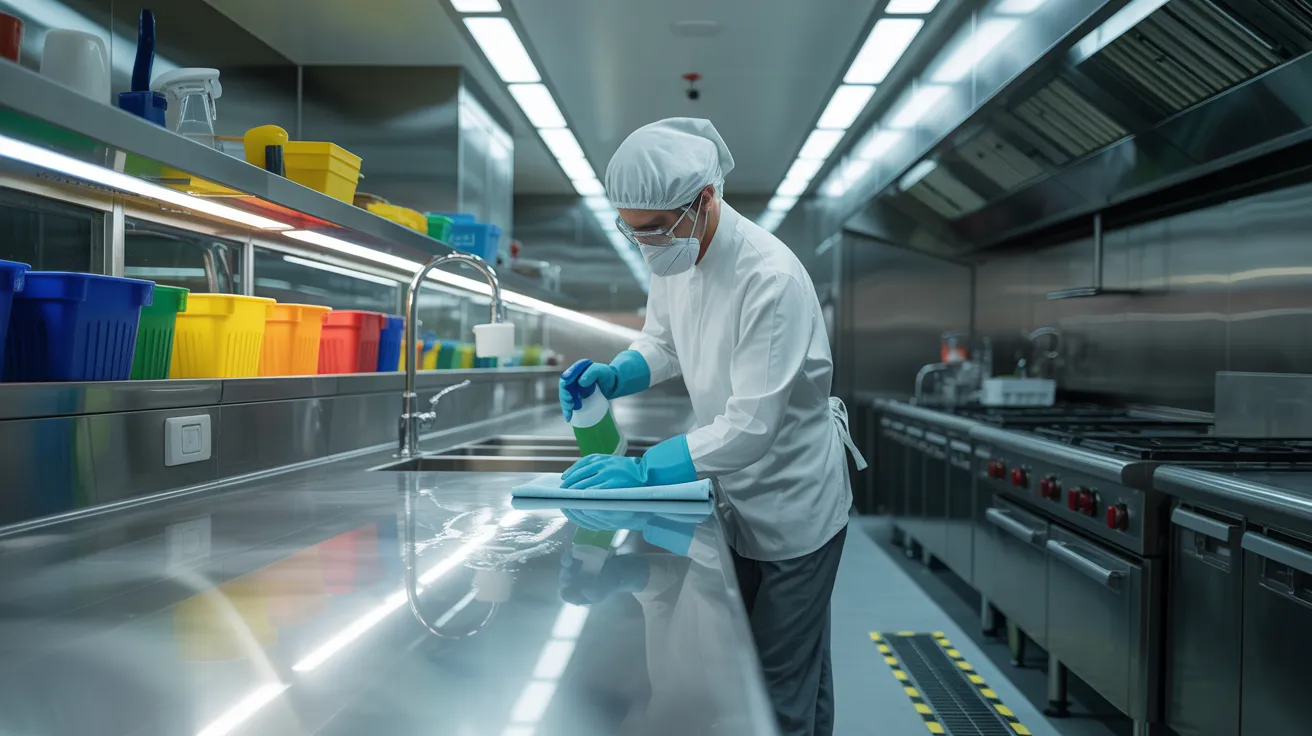
Important Highlights
- Brampton's food safety cleaning professionals support restaurants, grocery departments, commissaries, warehouses, bakeries, schools, mobile vendors, and allergen-sensitive operations.
- High-touch surfaces, food-contact equipment, kitchens, floors, drains, restrooms, and storage areas are treated using area-specific procedures to avoid cross-contamination.
- Documentation of finishing through samples, assessments, and remedial documentation validates trained vendors have verified approved sanitizer dilution, compatibility, and exposure duration.
- Threat, throughput, switches, incidents, and guidelines must shape hygiene plans, with everyday, recurring, and cyclical operations designated by zone.
- Focus on contractors displaying HACCP, public-health competency, WHMIS preparation, protection, testimonials, color-coded implements, and assessment-ready hygiene documentation.
What Brampton Operations Require Food Safety Cleaning?
Food safety cleaning is necessary for any Brampton facility that handles, maintains, prepares, packages, or offers food. Apply it to your business if it meets the criteria for public health inspection, food premises regulations, or internal HACCP-based controls. This includes food service venues, employee dining, supply facilities, retail sections, butcheries, seafood counters, retail shops, and facility kitchens.
You also need documented food sanitation in warehouses, food manufacturing plants, cold storage sites, retail bakeries, school nutrition programs, banquet halls, and meal delivery hubs. Portable and seasonal businesses count too, including catering vehicles, market vendors, and seasonal stalls. If your staff work with raw supplies, divide prepared foods, warm dishes, or organize allergen inventory, your facility needs documented cleaning protocols. In Brampton, cleanliness isn't optional; it's part of legal, operational, and consumer protection compliance.
What Services Do Brampton Cleaning Experts Provide?
Your operation needs cleaning professionals who sanitize all high-touch areas, cooking and food prep areas, all floor types, and toilet facilities for food safety and health code adherence. These specific areas are emphasized due to their elevated cross-contamination potential, trip and slip dangers, and breaches of sanitation codes.
When you know their cleaning scope, you can verify that your facility's cleaning scope meets compliance and operational standards.
Key High-Touch Surface Sterilization
assign how often each area is disinfected
validate that disinfection was successful
Cooking Zones, Walking Surfaces, and Restroom Environments
Professional cleaners in Brampton prioritize kitchens, floors, and restrooms given that each location involves specific contamination control, slip-and-fall, and health code requirements. In industrial kitchens, you need degreasing on cook lines, equipment exteriors, drains, prep surfaces, and splash zones to reduce bacterial growth and pest activity.
You should also expect documented flooring maintenance. is also provided as part of the service.
Restroom sanitation requires disinfecting touch areas, bathroom equipment, stall barriers, supply stations, and bins, restocking supplies and controlling odours. They also service restaurant moprooms, where chemical storage, sink hygiene, and drainage conditions can affect sanitation compliance and staff safety daily.
The Importance of Food Safety Cleaning in Brampton
To comply with health code requirements and pass inspections, Brampton facilities must maintain food-safe cleaning standards. You also minimize cross-contamination by cleaning and sanitizing food-contact surfaces, equipment, and high-touch areas correctly. Most importantly, you safeguard public health by lowering the risk of foodborne illness in your facility.
Regulatory Code Requirements
Food operations in Brampton face rigorous sanitary regulations, making food safety cleaning essential to meeting health code requirements, safeguarding patrons, and eliminating enforcement action. You must maintain sanitary food-contact surfaces, documented cleaning schedules, correct sanitizer application, and auditable operational standards that correspond to municipal and provincial inspection expectations.
Keeping strong cleaning records establishes due diligence for regulatory audits and demonstrates that your procedures are reliable, replicable, and documented.
Cross-Contamination Management
Adhering to health code standards requires your skill in preventing cross-contamination throughout routine preparation and sanitation work. You need to separate raw ingredients from ready-to-eat foods, sanitize work stations after each task, and store cleaning supplies separately from food. Organized systems minimize contamination events and ensure consistent compliance during inspections.
Building allergen segregation prevents priority allergens from contacting common workstations, storage, or apparatus. Leverage separate cutting boards, colored implements, and strict utensil labeling so staff don't mix items during preparation or service.Mandate hand cleaning following raw meat, seafood, eggs, or allergen-containing products. Swap wiping cloths regularly, and confirm disinfectant efficacy using test strips. When you train staff to follow these controls each shift, you foster a cleaner, more secure operation that exceeds Brampton's safety standards daily.
Public Health Protection
Should food safety cleaning break, you don't simply encounter inspection problems—you increase the potential of foodborne illness harming customers, staff, and the wider Brampton population. You also undermine your responsibility in protecting public health, especially in busy food facilities where contamination can spread quickly through surfaces, equipment, and touchpoints.
You need sanitation procedures that eliminate contaminants, disinfect properly, and confirm effectiveness. That means following contact times, using approved disinfectants, recording cleaning times, and training staff to meet regulatory standards. These measures facilitate disease prevention by lowering microbial loads before they reach food or hands. In Brampton, strong sanitation protects vulnerable populations, limits outbreak potential, and enables you to show proper care. When you clean to standard, you don't just meet regulations—you actively reduce risk and support safer food service citywide.
In What Ways Does Cleaning Help Achieve Food Safety Compliance?
Maintaining strict sanitation practices strengthens food safety compliance by reducing contamination risks, controlling pathogen growth, and keeping your facility compliant with sanitation requirements under HACCP-based programs and public health regulations. You ensure that food-contact surfaces remain visibly clean and microbiologically controlled, supporting documented preventive controls and inspection readiness.
Diligent cleaning also reinforces allergen control by eliminating residues that can lead to undeclared allergen exposure. When you integrate established sanitation practices with regulatory training, your staff can implement uniform procedures, handle approved chemicals properly, complete records thoroughly, and manage variations in advance of they escalate. Regular cleaning enables supply chain documentation, establishes corrective steps, and exhibits responsibility throughout audits. Moreover, it supports you safeguard product quality, sustain operational compliance, and reduce the risk of more info compliance actions, market recalls, grievances, and unnecessary safety threats.
When Do You Schedule Commercial Cleaning?
Elevate cleaning rate during peak production, production changeovers, spillage occurrences, and after maintenance work.
handled independently
What Should You Look For in Brampton Cleaning Experts?
Start by screening providers against food-safe sanitation requirements, not cost only. You should verify that each company understands CFIA, public health, and HACCP compliance standards relevant to your facility. Ask for insurance documentation, WHMIS compliance, documented staff training, and supervision practices. Review whether technicians understand contamination prevention, chemical handling, and traceable sanitation records.
Additionally, you need to evaluate service dependability and accountability. Obtain references from Brampton food operations, then review response times, corrective measures, and communication standards. Verify the company conducts supplier reviews and can deliver inspection-ready documentation when inspectors or external parties need proof. Verify equipment is maintained, colour-coded tools are applied correctly, and location-specific dangers are identified. A capable service ensures compliance, product integrity, and your brand reputation.
What aspects should a Food Safety Cleaning Plan include?
Create a documented plan that makes clear every sanitation task, standard, and responsibility prior to production start. You should detail cleaning frequencies, approved chemicals, dilution rates, contact times, tools, and verification methods for each location, surface, and apparatus. Include pre-operational inspections, corrective actions, and employee training requirements.
Your plan should also focus on cross-contamination controls, waste handling, pest-prevention measures, and documented schedules for restrooms, drains, floors, and food-contact areas. Detail how you'll separate raw and ready-to-eat processes, support ingredient tracking, and ensure accurate allergen labeling through validated cleaning between product changes. You should assign accountability, keep signed records, and review results against regulatory standards, HACCP controls, and customer requirements. When gaps appear, modify procedures immediately and instruct staff.
Commonly Requested Questions
Can sanitation providers accommodate overnight shifts in Brampton properties?
Yes, you can arrange sanitation coverage to support nighttime operations in Brampton facilities. You'll coordinate nighttime cleaning around production schedules, security measures, and personnel needs. Services generally map overnight logistics to minimize interruption, ensure compliance, and record finished work. You should verify response times, supervision, access protocols, and waste handling before beginning service. If you operate regulated spaces, you'll also need documentation that enable audits and compliance verification.
Are hazard containment services available from sanitation professionals?
Yes, you can discover many Brampton sanitation experts providing hazard containment services. They handle hazardous incidents, evaluate risks, contain affected zones, and initiate rapid cleanup to reduce risk and avoid operational impact. You should confirm timeframes, certifications, PPE measures, and waste procedures. If your facility must meet compliance standards, select a service that documents events, follows procedures, and supports verification.
Will plant-based disinfectants sanitize safely surfaces contacting food?
Yes, plant-based sanitizers can be suitable for surfaces contacting food if you choose items marked food-safe and meeting regulatory standards. You should check contact duration, mixing proportions, and rinsing needs before application. Many natural-based solutions lower harsh chemical exposure, but you should gather proof of efficacy against target microorganisms. To preserve residue-free areas, you must adhere to exact manufacturer guidelines and ensure the disinfectant meets food sanitation requirements.
Can cleaning plans adapt with production fluctuations?
Yes, you can tailor cleaning plans for production fluctuations. You should modify intervals, labor allocation, disinfectants, and verification steps to align with seasonal workflows while preserving regulatory adherence. You'll reduce equipment downtime by planning sanitization around equipment transitions, maximum output, and operational patterns. You should additionally revise procedural documents, training, and monitoring protocols to capture transient threats, emerging allergens, or elevated soil levels. Regular reviews keep your program functional.
Will commercial cleaners train employees on hygiene best practices?
Certainly, commercial cleaners coach your staff on hygiene protocols. You obtain employee development on correct chemical practices, contact times, contamination control, machine disassembly, and documentation procedures. They generally coordinate instruction with HACCP, GMP, and CFIA or local public health standards. Many execute health assessments to check standards, identify gaps, and reinforce corrective actions. This helps you copyright standard processes, satisfy audits, and minimize foodborne pathogen risks daily.
Summary
Through working with Brampton commercial cleaning and food safety experts, you do far more than tidy—you ensure your facility for audits and your standards stay aligned with regulations. From kitchen spaces to processing areas, all clean areas and organized zones reduce contamination risks and avoid major losses. Through scheduling maintenance at proper intervals and adhering to a comprehensive cleaning program, you ensure protection for your team, clients, and your good name. Within strict regulatory frameworks, proper sanitation must be a priority—they are fundamental to success.